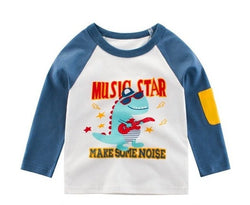
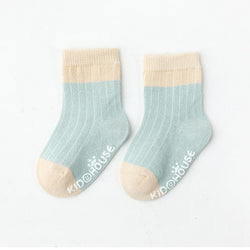
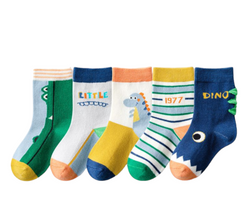
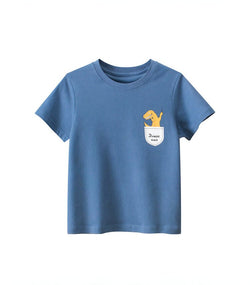
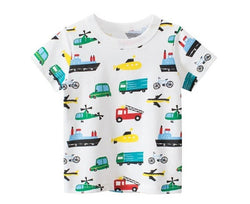
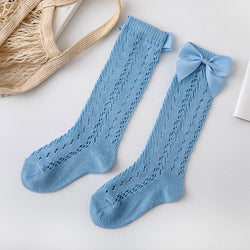
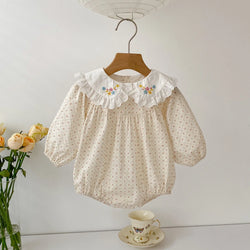
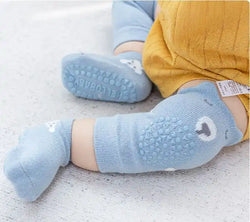
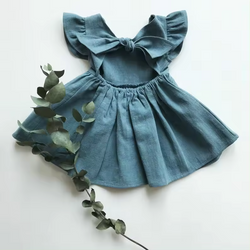
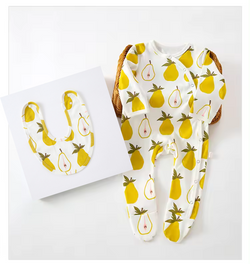
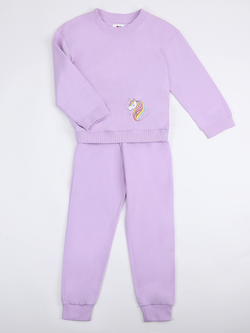
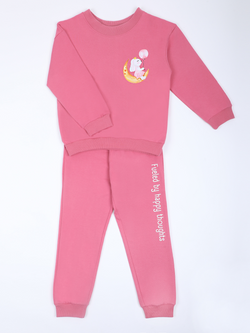
Buying baby clothes may look simple, but for parents in India, it involves careful consideration of fabric quality, comfort, sizing, and safety. Babies have delicate skin, grow quickly, and are sensitive to temperature changes, making the right clothing choices essential for their well-being. This ultimate guide will walk you through everything you need to know before buying baby clothes in India, so you can shop confidently and wisely.
Why Choosing the Right Baby Clothes Matters
A baby spends most of the day in clothing, which means poor-quality fabrics or ill-fitting garments can cause discomfort, rashes, and irritation. The right baby clothes help regulate body temperature, allow free movement, and keep your baby calm and happy. In Indian weather conditions—ranging from hot summers to humid monsoons and mild winters—choosing breathable and skin-friendly clothing becomes even more important.
Good baby clothing should feel soft to the touch, be easy to put on and remove, withstand frequent washing, and remain gentle on sensitive skin.
Best Fabrics for Baby Clothes in India
Fabric choice is the most important factor when shopping for baby clothing. Let’s explore the best options.
Cotton – The Gold Standard
Cotton is the most popular fabric for baby clothes in India, and for good reason. It is lightweight, breathable, and soft, making it perfect for everyday wear. Cotton allows air circulation, which helps prevent overheating and keeps your baby comfortable throughout the day.
Benefits of cotton baby clothes:
-
Highly breathable and moisture-absorbing
-
Gentle on sensitive skin
-
Easy to wash and durable
-
Suitable for all seasons
Look for pure cotton or combed cotton for the best softness and longevity.
Organic Cotton – Extra Gentle Option
Organic cotton is grown without harmful pesticides or chemicals. This makes it a safer option for babies who have very sensitive skin or are prone to allergies.
Advantages of organic cotton:
-
Free from harsh chemicals
-
Softer texture
-
Environment-friendly
-
Lower risk of irritation
Although organic cotton clothing may cost slightly more, it offers peace of mind and long-term benefits.
Bamboo Fabric – Naturally Soft & Antibacterial
Bamboo fabric is gaining popularity in baby clothing. It is extremely soft, moisture-wicking, and naturally antibacterial.
Why parents choose bamboo fabric:
-
Keeps baby dry
-
Prevents odor buildup
-
Very smooth texture
-
Good temperature regulation
Bamboo blends are ideal for nightwear, innerwear, and summer outfits.
Fabrics to Avoid
Some fabrics are not suitable for babies, especially in Indian weather:
-
Polyester and nylon (trap heat)
-
Rough synthetic blends
-
Heavy denim
-
Fabrics with stiff textures
These materials can cause sweating, discomfort, and skin irritation.
Understanding Baby Clothing Sizes in India
Baby clothing sizes vary across brands, which can make shopping confusing. Instead of relying only on age, it is better to consider your baby’s height and weight.
Age-Based vs Height-Based Sizing
Age-based sizing gives a rough idea, but babies grow at different speeds. Height-based or weight-based size charts are more accurate.
Example:
-
Newborn: 0–3 months
-
Small Baby: 3–6 months
-
Medium Baby: 6–9 months
-
Large Baby: 9–12 months
Always check the brand’s size chart before buying.
Allowing Room for Growth
Babies grow quickly, so it’s smart to buy clothes that are slightly bigger. Avoid extremely tight clothing, especially around the neck, waist, and thighs.
Tips:
-
Choose stretchable fabrics
-
Avoid tight elastics
-
Look for adjustable waistbands
This ensures longer usage and better comfort.
Key Safety Checks Before Buying Baby Clothes
Safety is just as important as comfort. Here are essential checks every parent should make:
Nickel-Free Buttons and Snaps
Metal snaps and buttons should be nickel-free to prevent allergic reactions. Plastic snaps or covered buttons are safer options.
Flat Seams and Soft Stitching
Rough seams can rub against the baby’s skin and cause redness. Flat seams and smooth stitching reduce friction and improve comfort.
Non-Toxic Dyes and Prints
Babies often put clothes in their mouths. Clothes dyed with non-toxic, baby-safe colors reduce the risk of exposure to harmful chemicals.
No Loose Parts
Avoid clothes with loose beads, bows, or decorative pieces that can become choking hazards.
Seasonal Clothing Tips for Indian Weather
India experiences different weather conditions, so dressing babies according to the season is essential.
Summer
-
Lightweight cotton bodysuits
-
Sleeveless rompers
-
Loose-fitting dresses
Choose light colors to reflect heat.
Monsoon
-
Quick-drying cotton outfits
-
Extra changes of clothes
-
Light full-sleeve options for mosquitoes
Winter
-
Cotton layers
-
Soft sweaters or jackets
-
Full-sleeve onesies
Avoid heavy wool directly on skin—layer cotton underneath.
Ease of Dressing & Diaper Changes
Parents change diapers multiple times a day, so clothing should make this easy.
Look for:
-
Snap-button bodysuits
-
Front-open rompers
-
Stretch neck openings
These save time and reduce stress.
How Many Baby Clothes Should You Buy?
Babies grow fast, so avoid overbuying. A basic wardrobe may include:
-
8–10 bodysuits
-
6–8 rompers or outfits
-
3–4 nightwear sets
-
2–3 caps
-
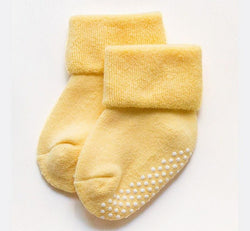
3–4 pairs of socks or booties
This balance prevents clutter and wasted money.
Washing & Care Tips
-
Wash new clothes before first use
-
Use mild, baby-safe detergent
-
Avoid fabric softeners
-
Air-dry when possible
Proper care extends the life of baby clothes.
Online vs Offline Shopping for Baby Clothes in India
Online shopping offers:
-
Wider variety
-
Better pricing
-
Easy comparison
-
Home delivery
Choose trusted online stores with clear size charts, fabric details, and return policies.
Final Thoughts
Buying baby clothes in India becomes simple when you focus on three things: fabric, fit, and safety. Soft cotton or organic fabrics, proper sizing, and child-safe construction ensure your baby stays comfortable and happy every day.
With the right knowledge, you can confidently choose baby clothes that combine comfort, quality, and style—giving your little one the best start.